Should You Buy a Second Dental Practice or Grow Your First Location?
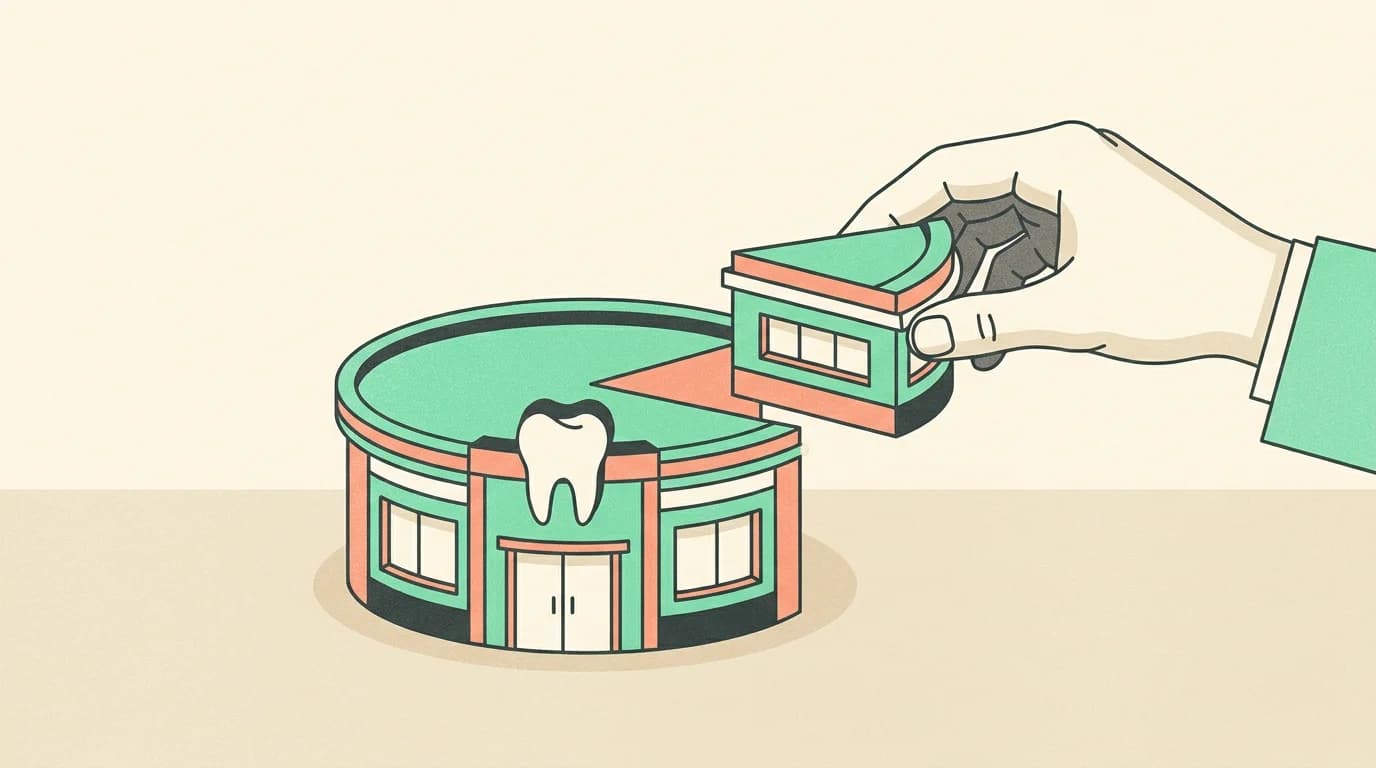
Most buyers assume a second location means more profit. The reality is more complex—and the answer depends on whether your first practice is ready to scale.
Expert guides and market insights for dental practice buyers, sellers, and brokers.

Most buyers assume a second location means more profit. The reality is more complex—and the answer depends on whether your first practice is ready to scale.

Family succession feels simpler than buying from a stranger—but emotional dynamics, sibling fairness, and valuation questions make it uniquely complex.

Outdated dental equipment doesn't kill deals—but these hidden costs might. Learn what to evaluate, when to walk away, and how to negotiate smarter.

When hygiene production sits below 30% of total revenue, it signals deeper operational problems that most sellers won't disclose upfront.

Earnouts defer part of the purchase price based on future performance. Here's how they work, what metrics protect buyers, and where disputes typically arise.

Most buyers focus on collections. But treatment acceptance rate reveals whether a practice is converting patients—or leaving revenue on the table.

Most PPO practices aren't broken—they're just under-optimized. Here's how to evaluate reimbursement rates, overhead, and profit potential before you buy.

When a DSO outbids you on a practice, it's easy to assume you can't compete. But the numbers tell a different story—and sellers often prefer what you offer.

Rural dental practices often outperform urban counterparts in profitability—lower overhead, less competition, and stronger margins offset smaller populations.

Sellers inflate revenue more often than you think. Learn the due diligence steps that reveal what collections data won't tell you—before you sign.

A practice that looks profitable on paper may collapse without the seller's production. Here's how to spot seller dependency and structure a deal that works.

Most buyers focus on price and patient count. The real risk sits in deal structure, hidden liabilities, and post-closing revenue drops.