
 Eric Chen
Managing Two Dental Offices Without Being at Both Every Day
How to run two dental locations without being physically present at each one daily — covering leadership structure, SOPs, and remote reporting.
Practice Management
Read article →Practical guides for owners of independent dental practices: billing and insurance, staffing, marketing, technology and margins, and what to know when you buy or grow.
Eric ChenHow to run two dental locations without being physically present at each one daily — covering leadership structure, SOPs, and remote reporting.
 Eric Chen
A step-by-step guide for practice owners on building, pricing, and managing an in-house dental membership plan for uninsured patients.
 Eric Chen
Dental no-shows average 15% and cost practices tens of thousands annually. Here's how to cut that rate without charging cancellation fees.
 Eric Chen
The hygienist shortage is structural. Here's how to grow your dental practice anyway — through smarter scheduling, assisted hygiene, and retention-first comp.
 Eric Chen
Facility costs should run 7–10% of collections. Here's how to calculate your rent percentage, diagnose the root cause, and fix it.
 Eric Chen
Most dental associates take 6–12 months to reach full production. Here's what drives the ramp-up timeline and how owners can shorten it.
 Eric Chen
Learn how to calculate your dental practice staffing percentage correctly, diagnose whether wages or collections are the real problem, and apply the right fix.
 Eric Chen
How to calculate your dental practice's insurance claim denial rate, benchmark it against industry standards, and fix the root causes draining your collections.
 Eric Chen
Four reports from your practice management software reveal whether you need more hygiene capacity — or just a better recall system.
 Eric Chen
The 8 dental practice KPIs that matter most each month — with benchmarks, formulas, and a simple review process to turn data into decisions.
 Eric Chen
How to choose, launch, and measure a new dental service line — with real numbers on implants, clear aligners, and sleep medicine.
 Eric Chen
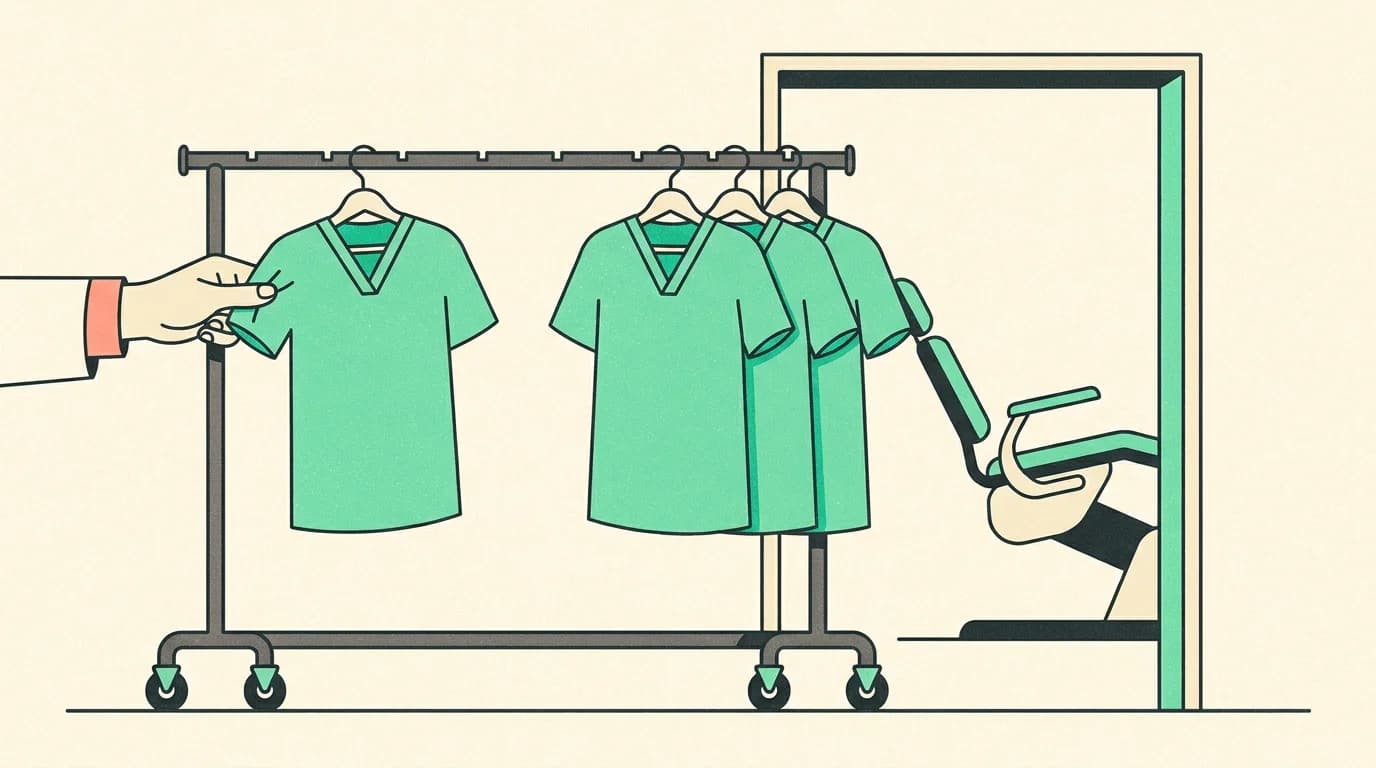
Most dental practices expect new hires to be productive within weeks. Here's why that timeline fails — and how to fix your onboarding process.
 Eric Chen
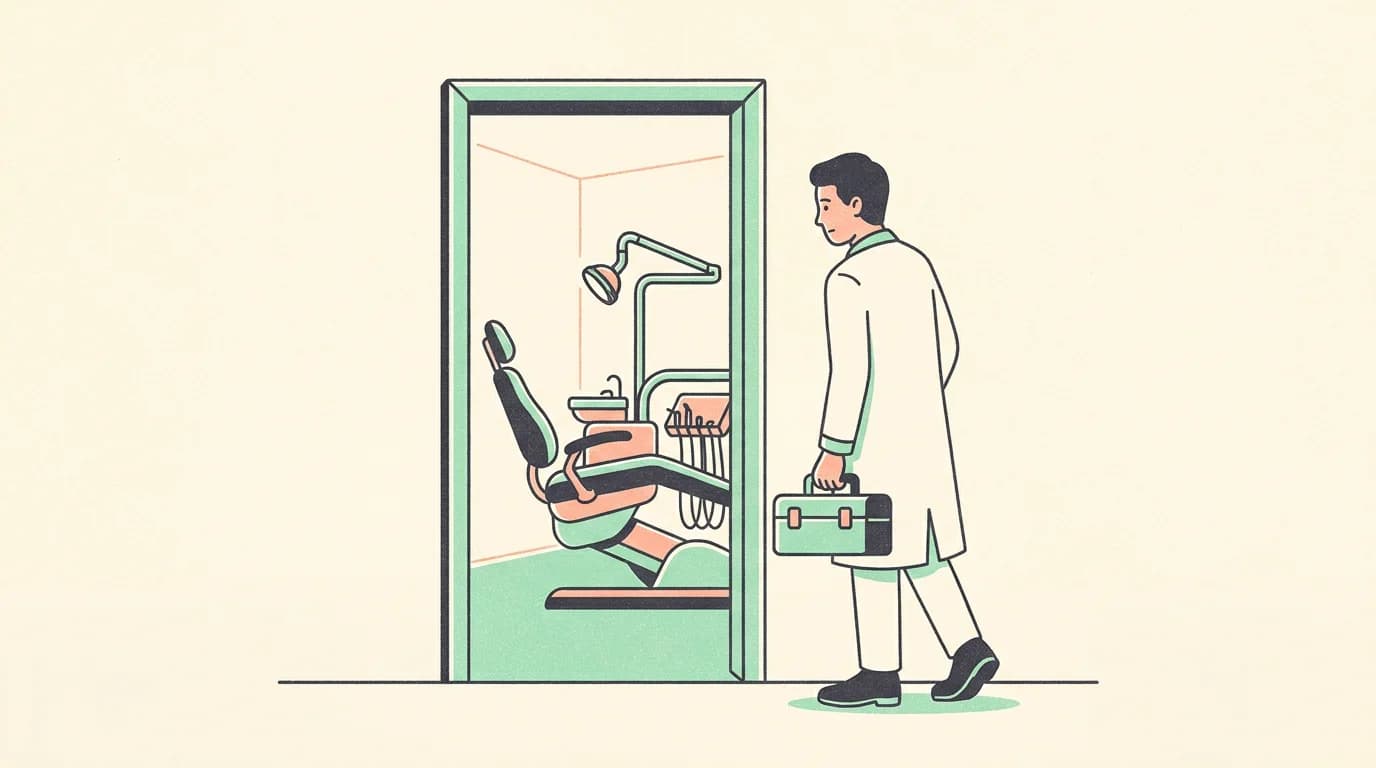
How to grow revenue after buying a dental practice without triggering patient attrition — a sequenced approach for new owners.