Buying a Practice with a Rebuilt Hygiene Department
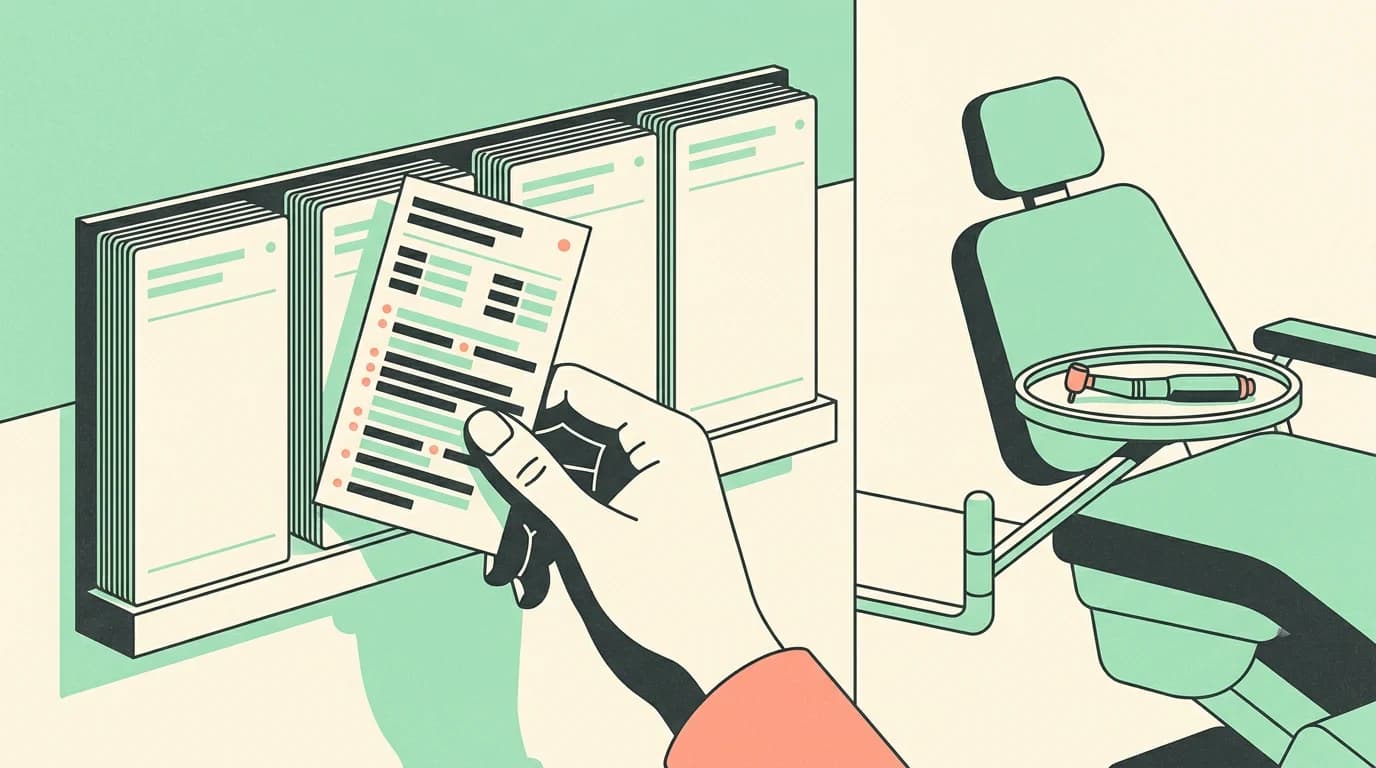
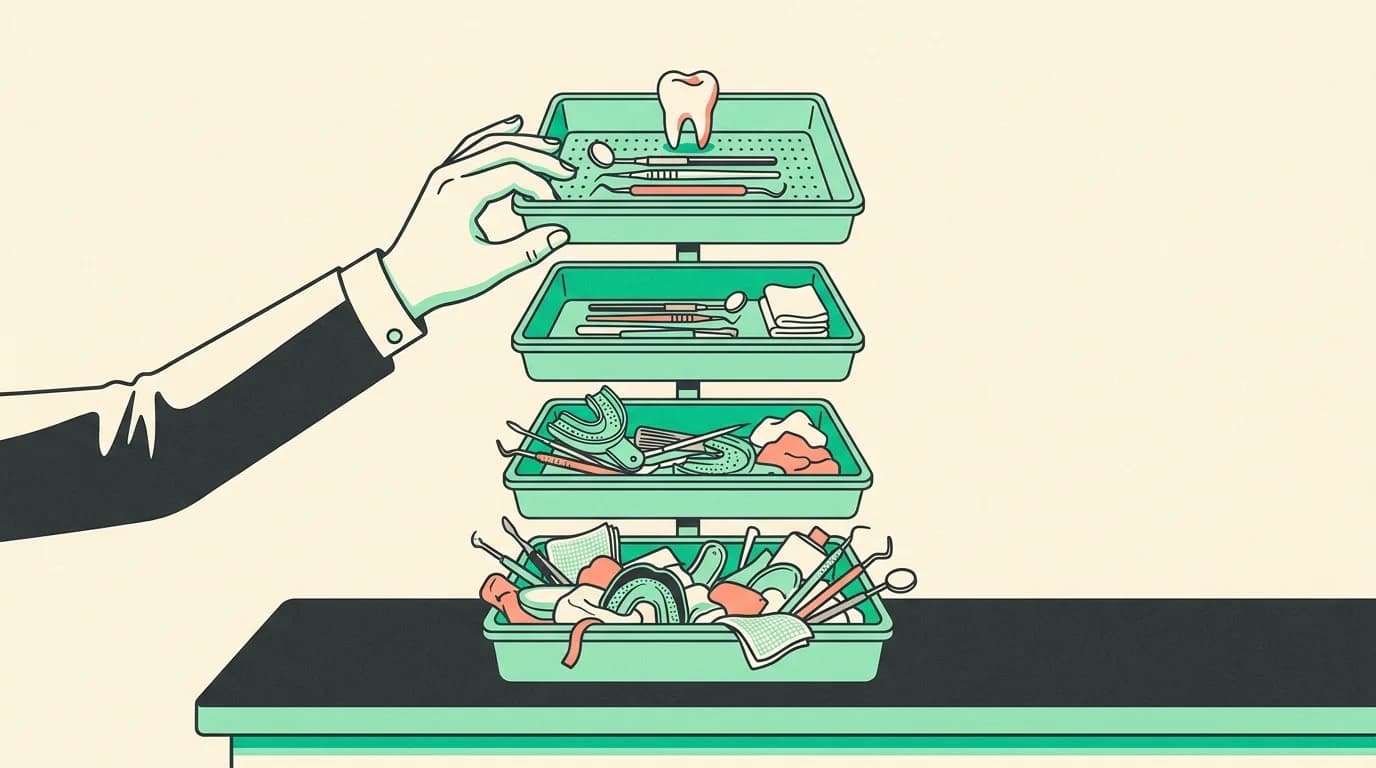
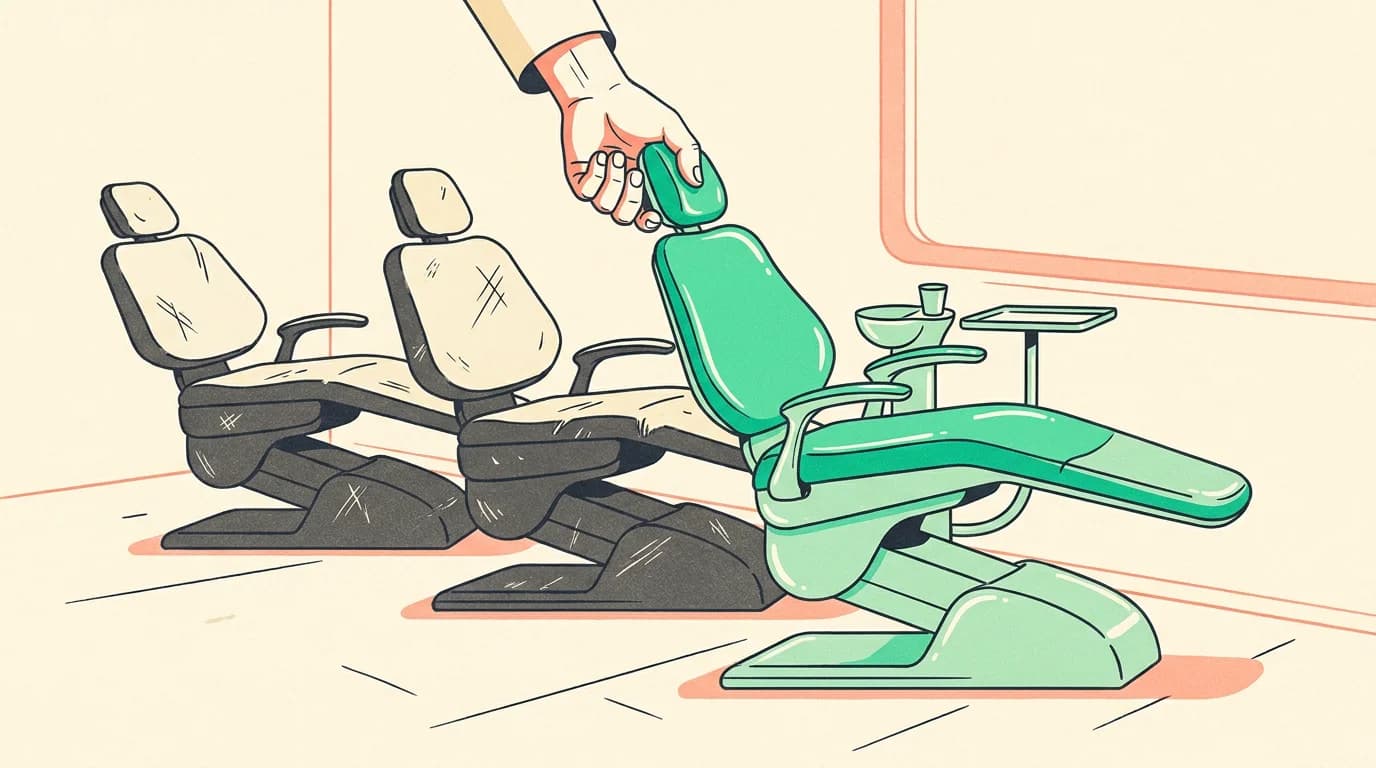
A recently rebuilt hygiene department looks like upside — but buyers need to verify whether the recovery is real before paying for it. Here's how.
Expert guides and market insights for dental practice buyers, sellers, and brokers.

A recently rebuilt hygiene department looks like upside — but buyers need to verify whether the recovery is real before paying for it. Here's how.

A seller who still owns other practices has different incentives than one who's retiring. Here's how to evaluate the real risks before you sign.

When a seller cut back their schedule for two years before listing, the financials tell a distorted story. Here's how buyers should read the numbers.

A dental practice non-solicitation clause covers more than patients. Here's what buyers need to know about staff, referral sources, and drafting gaps.

When a seller's other businesses carry debt secured by the dental practice, buyers can inherit lien complications. Here's how to find them and protect yourself.

A chart audit can expose upcoding, phantom billing, and inflated collections. Here's how buyers interpret findings and protect themselves before closing.

When a lender disputes seller add-backs, your deal math changes fast. Here's how to read the add-back schedule before you make an offer.

An active insurance audit doesn't automatically kill a deal — but it changes what you need to investigate, negotiate, and protect before closing.

Buying a seasonal dental practice? Learn how to read monthly production data, size your working capital, and survive slow months without a cash crisis.

When an associate produces more than the owner, you're buying two revenue streams with different risk profiles. Here's how to evaluate and structure the deal.

Crowns in transit, unseated restorations, multi-stage implants — here's how to audit WIP during due diligence and protect yourself in the purchase agreement.

DSO-owned practices come with unique financial, operational, and transition risks. Here's what buyers need to evaluate before making an offer.

A high no-show or cancellation rate can signal a fixable systems problem — or a deeper patient loyalty issue. Here's how buyers should read the data.