 Eric Chen
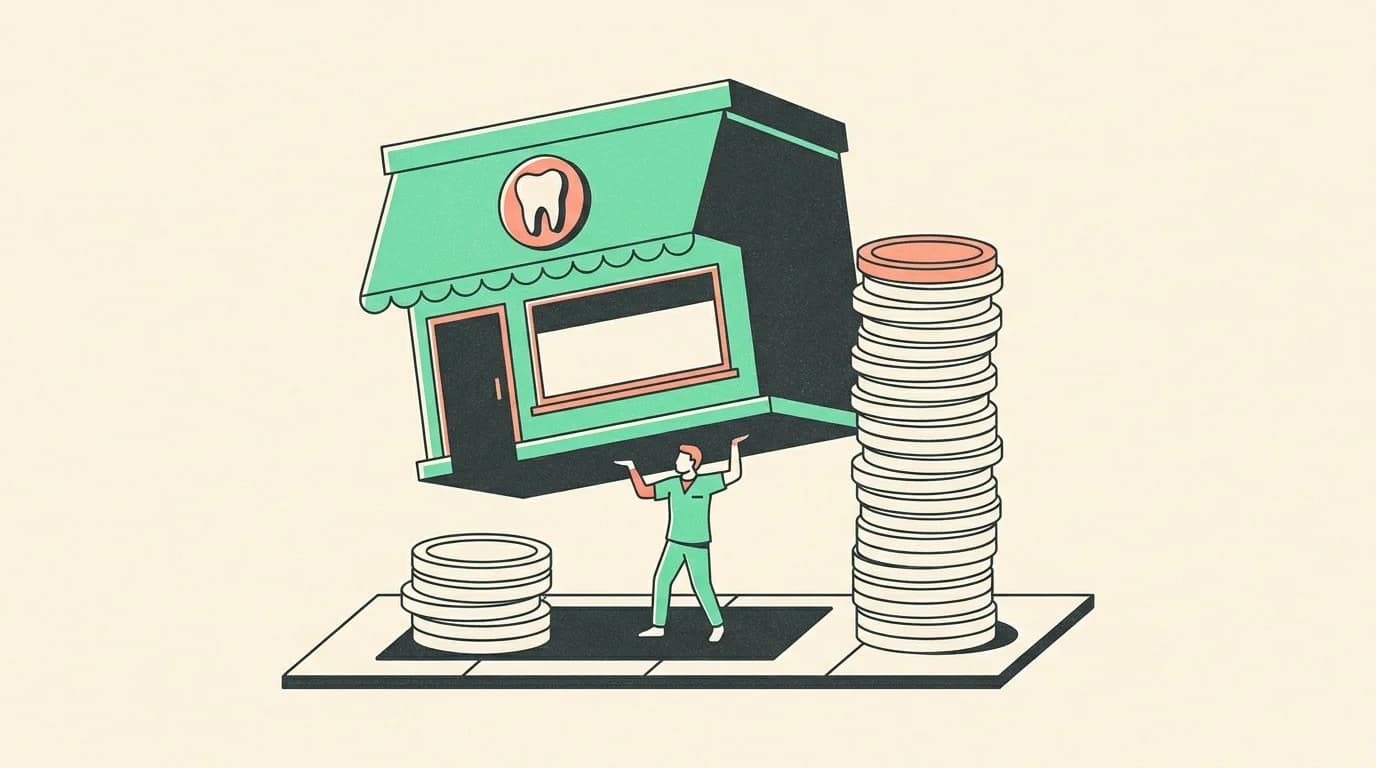
Is Owning a Dental Practice Worth It Financially?
A data-driven comparison of dental practice ownership vs. staying an associate — income, taxes, equity, and the real break-even timeline.
Buying GuideFinancingMarket Trends
Read article →Practical guides for owners of independent dental practices: billing and insurance, staffing, marketing, technology and margins, and what to know when you buy or grow.
Eric ChenA data-driven comparison of dental practice ownership vs. staying an associate — income, taxes, equity, and the real break-even timeline.
 Eric Chen
How many years should be left on a dental practice lease before you buy? Here's what lenders require, what clauses to check, and how to fix a short lease.
 Eric Chen
A practical framework for evaluating whether a dental associate buy-in offer is priced fairly and structured in your favor — before you sign anything.
 Eric Chen
Your dental practice loan rate lock is about to expire before closing. Here's what it costs, who pays, and the steps to protect your rate.
 Eric Chen
If your spouse earns more than the practice will, that changes how much salary you need on day one — and which deals you can afford to take on.
 Eric Chen
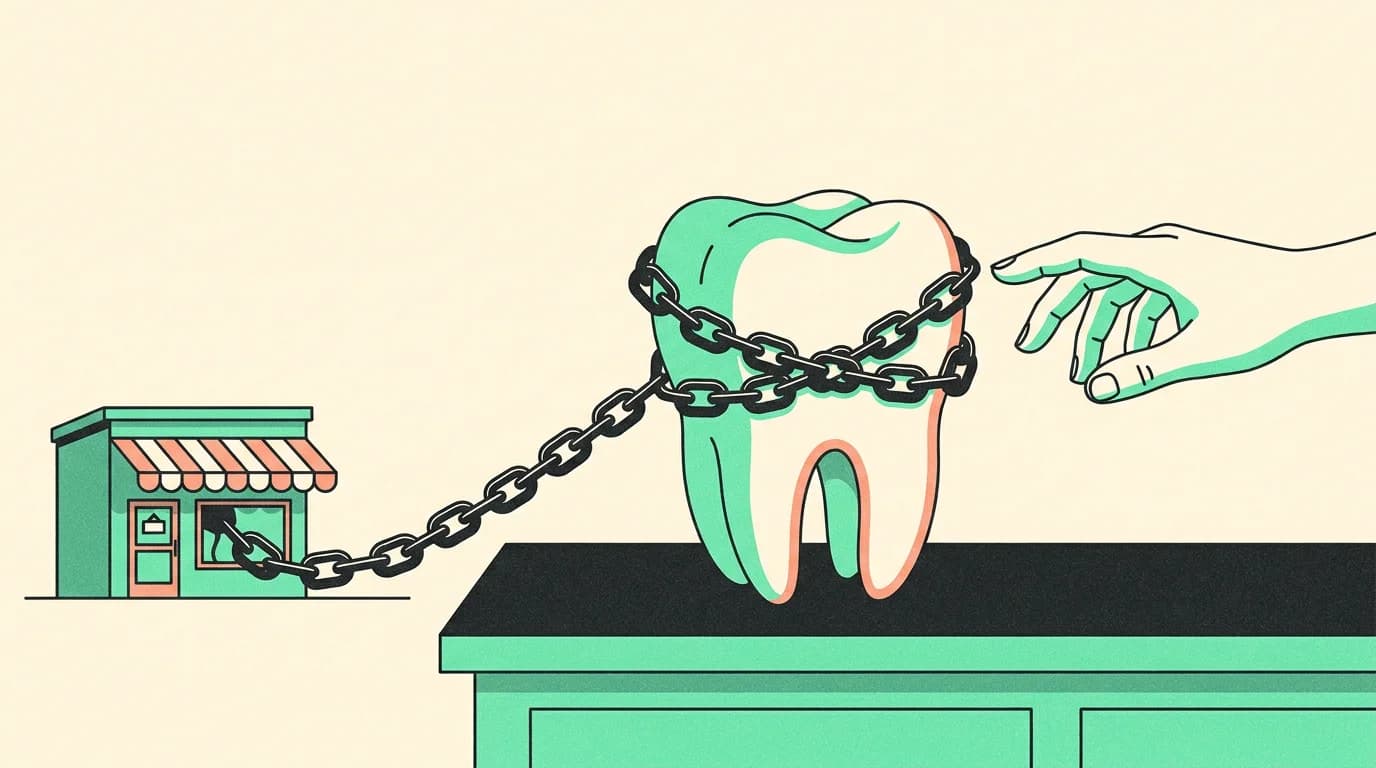
When a seller's other businesses carry debt secured by the dental practice, buyers can inherit lien complications. Here's how to find them and protect yourself.
 Eric Chen
When a lender disputes seller add-backs, your deal math changes fast. Here's how to read the add-back schedule before you make an offer.
 Eric Chen
Finished your GPR or AEGD and wondering if it's too soon to buy? Here's how to evaluate your readiness — clinically, financially, and with lenders.
 Eric Chen
Buying a seasonal dental practice? Learn how to read monthly production data, size your working capital, and survive slow months without a cash crisis.
 Eric Chen
Spouse income can help you qualify for a dental practice loan — but only in specific ways. Here's how lenders actually use it, and what it costs you.
 Eric Chen
The P&L tells you what a practice actually earns — not what the seller claims. Here's how to read every line before you make an offer.
 Eric Chen
Loan approval dragging past your closing deadline? Here's how to diagnose the delay, keep the seller on board, and protect your deal.
 Eric Chen
Buying a dental practice when the seller owes back payroll taxes? Here's how liability can follow the deal — and how to protect yourself before closing.