 Eric Chen
Dental Practice Lease Assignment: A Buyer's Guide
What buyers need to know about dental practice lease assignment — from reading the assignment clause to negotiating the personal guarantee before closing.
Buying GuideDue Diligence
Practical guides for owners of independent dental practices: billing and insurance, staffing, marketing, technology and margins, and what to know when you buy or grow.
Eric ChenWhat buyers need to know about dental practice lease assignment — from reading the assignment clause to negotiating the personal guarantee before closing.
 Eric Chen
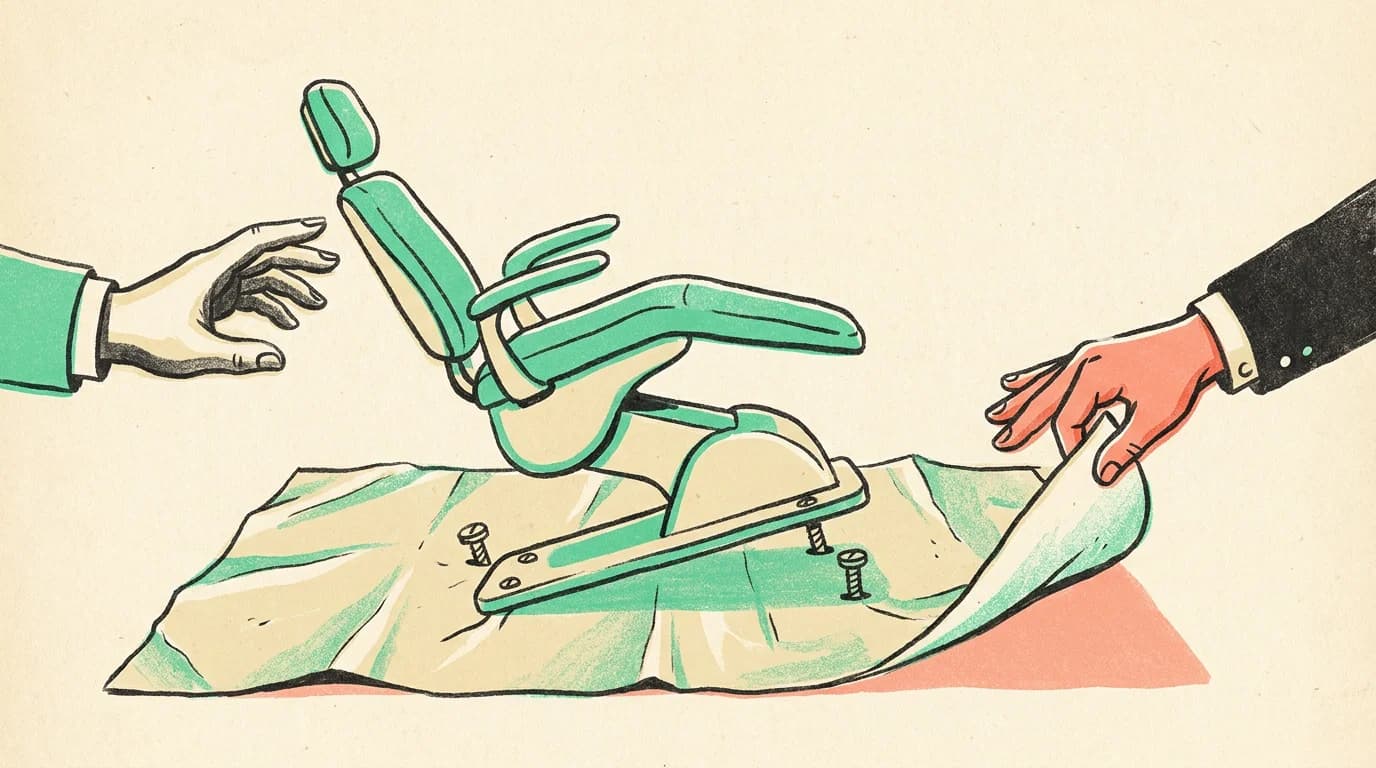
The credentialing gap after buying a dental practice can cost $40K–$80K in delayed revenue. Here's how to calculate your exposure and minimize it.
 Eric Chen
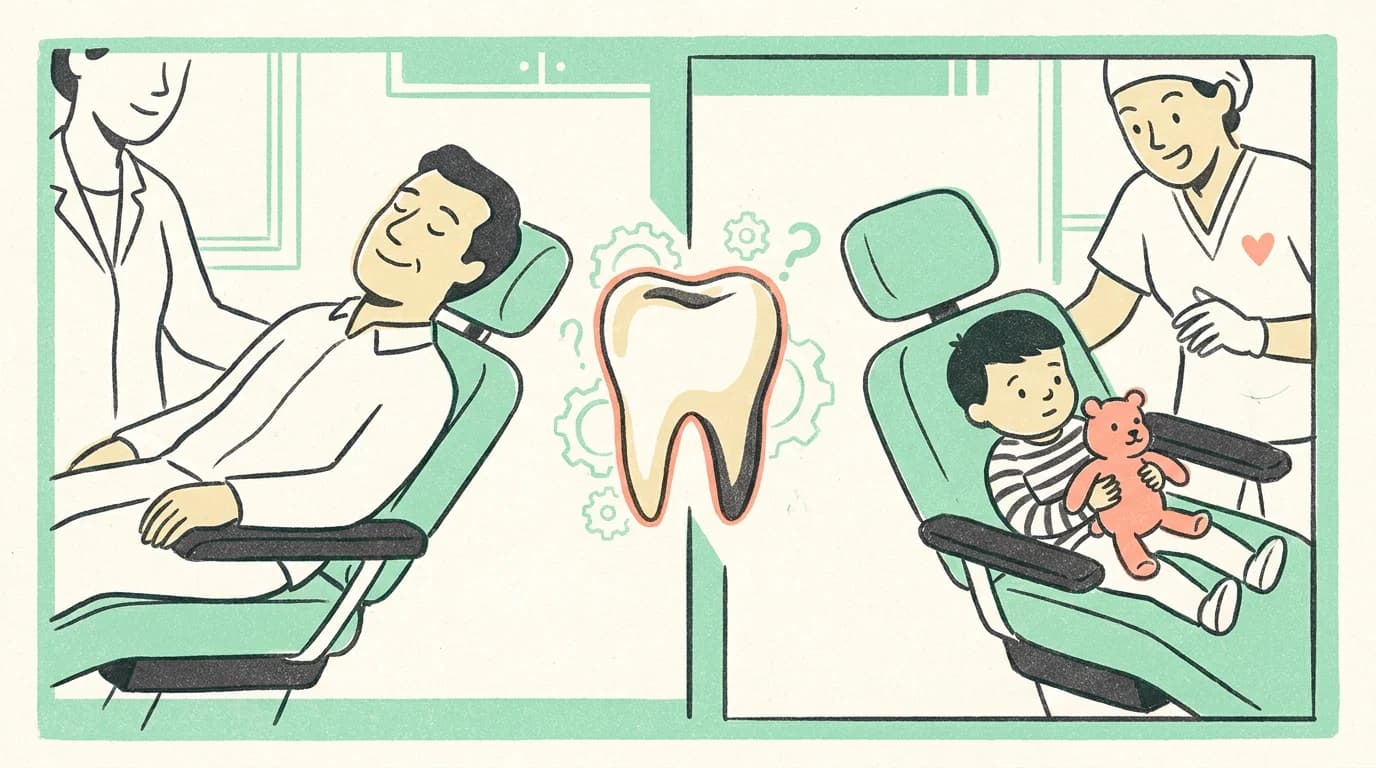
Comparing a pediatric dental practice to a general practice? Here's what buyers need to know about valuation, payer mix, clinical fit, and patient retention.
 Eric Chen
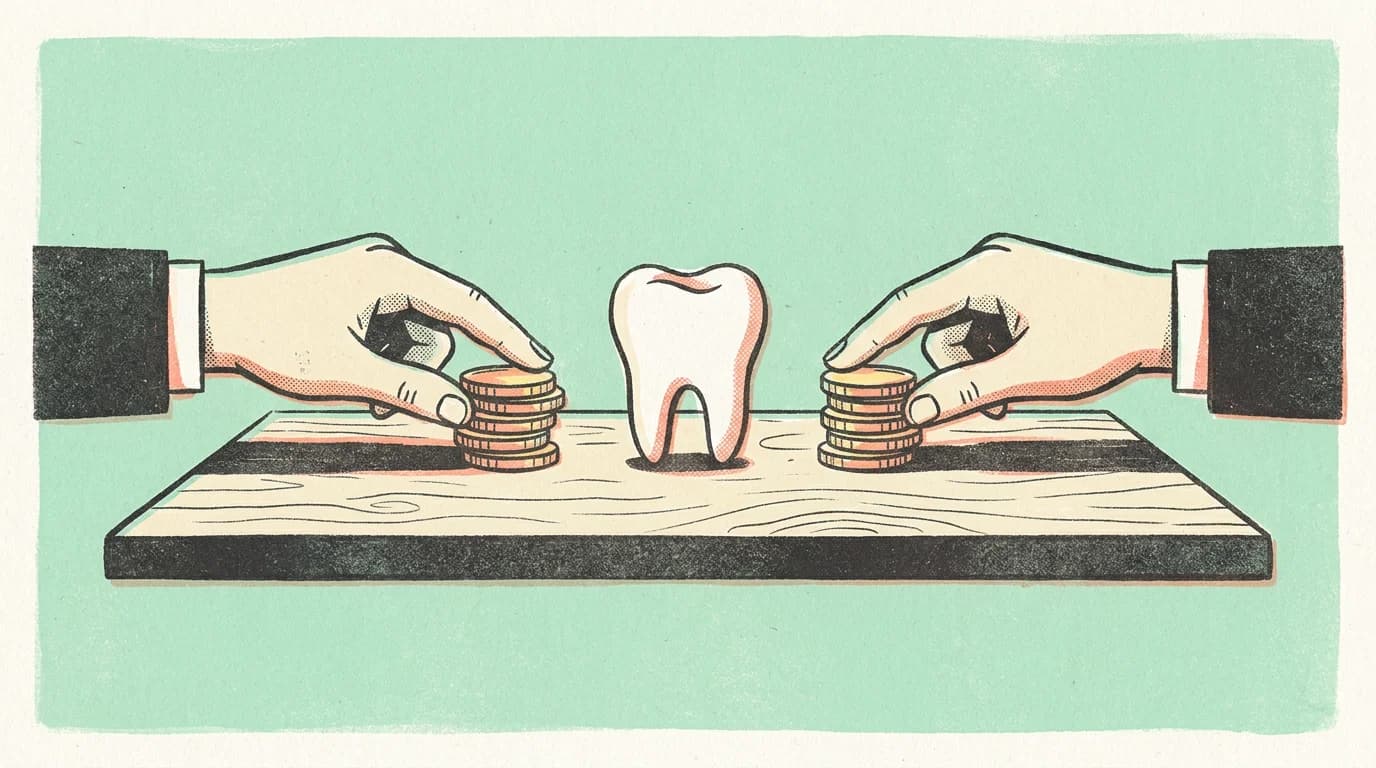
Most AR disputes after buying a dental practice were preventable. Learn how to audit the AR, negotiate key contract terms, and resolve conflicts post-closing.
 Eric Chen
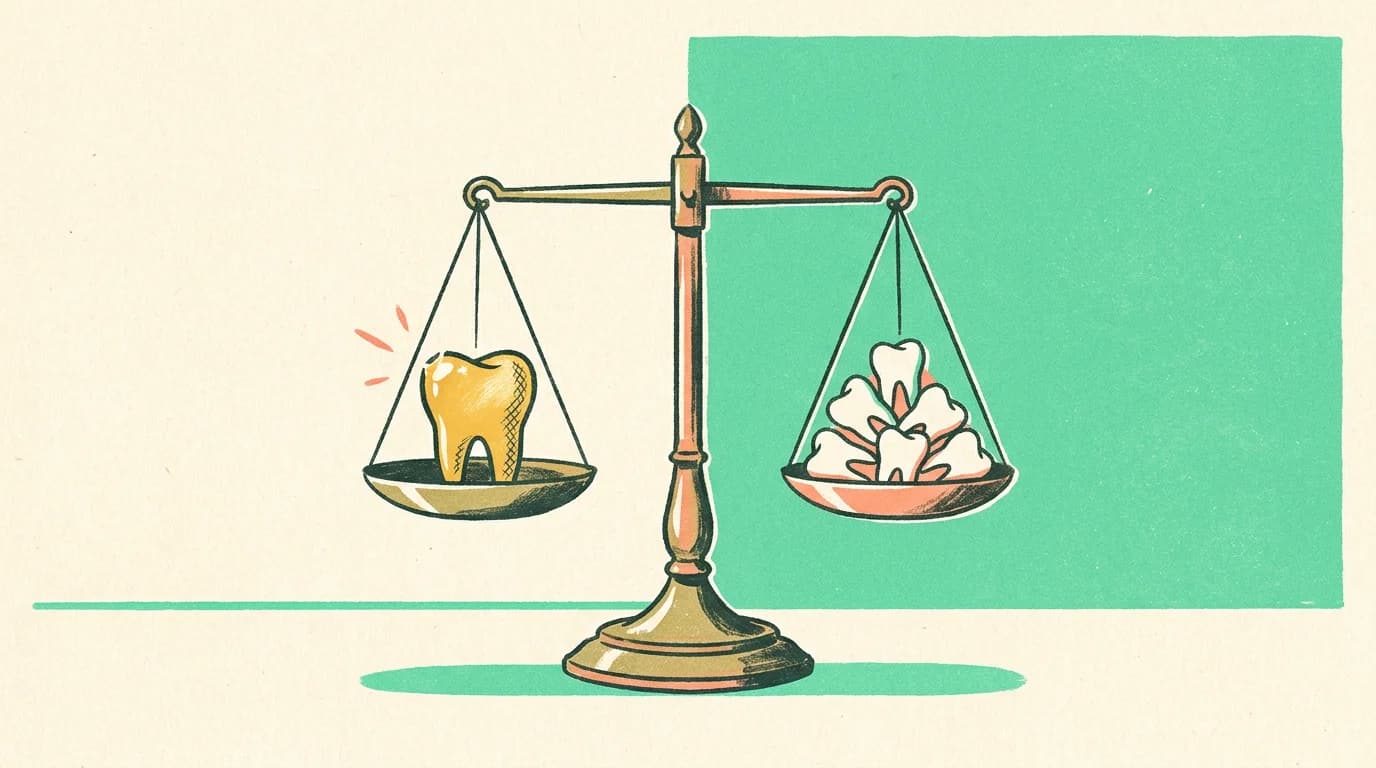
Patient base value isn't a fixed number—it's a function of collections, retention, and production mix. Here's how to calculate what you're actually buying.
 Eric Chen
Most vendor contracts don't auto-transfer when you buy a practice. Here's how to identify which need consent and where to renegotiate better terms.
 Eric Chen
When the bank appraisal comes in below asking price, you have options: renegotiate, cover the gap, or challenge the valuation. Here's how to respond.
 Eric Chen
Brokers don't always disclose what buyers need to know. Learn the warning signs that reveal when a broker is withholding critical information about a practice.
 Eric Chen
When the seller contacts patients or undermines your authority after closing, your response determines whether you protect the investment or lose control.
 Eric Chen
You signed an LOI, then found a better practice. Here's what your exclusivity clause means, when you can walk away, and how to evaluate both deals objectively.
 Eric Chen
Patient complaints about the seller's work put new owners in a difficult position. Here's how to respond professionally while protecting yourself legally.
 Eric Chen
When a longtime hygienist controls operations, patient relationships, and institutional knowledge, you're buying key person risk. Here's how to evaluate it.