 Eric Chen
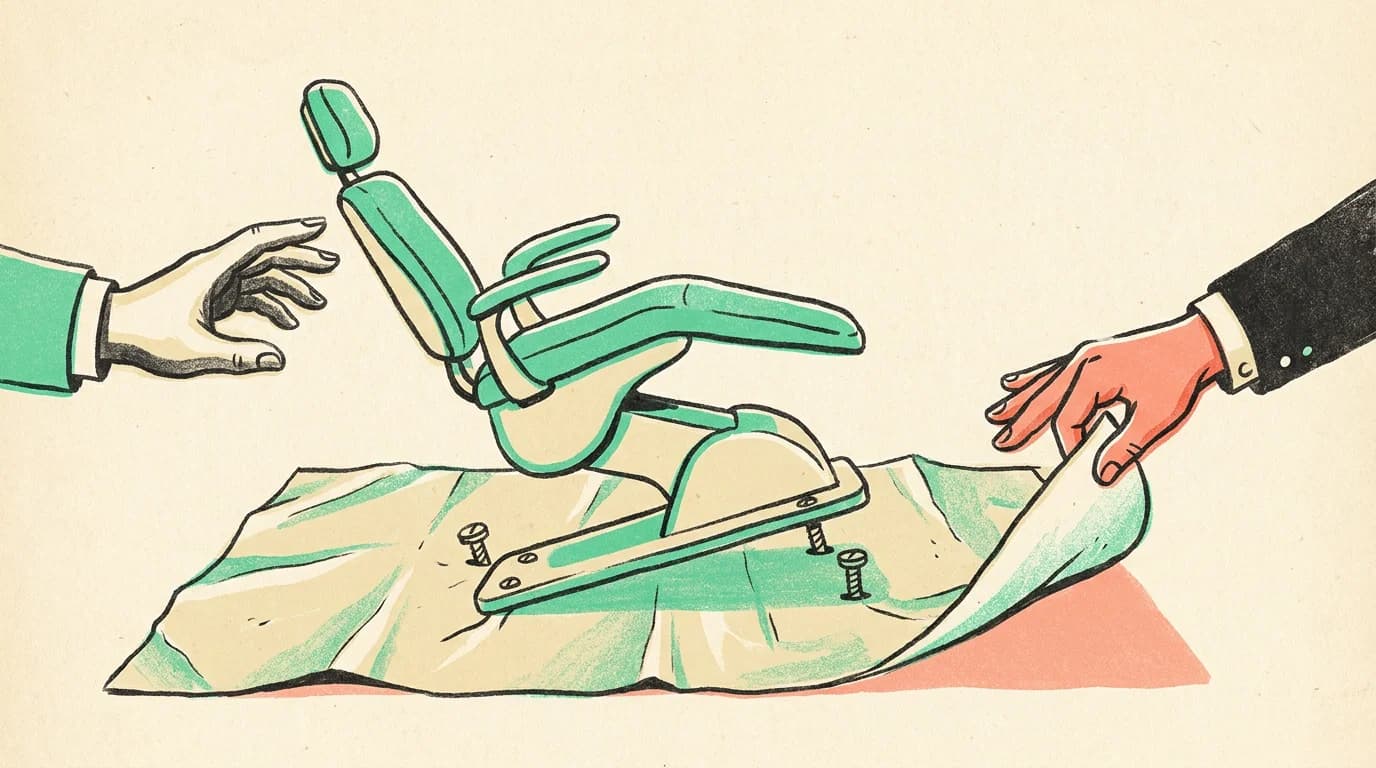
Dental Practice Lease Assignment: A Buyer's Guide
What buyers need to know about dental practice lease assignment — from reading the assignment clause to negotiating the personal guarantee before closing.
Buying GuideDue Diligence
Practical guides for owners of independent dental practices: billing and insurance, staffing, marketing, technology and margins, and what to know when you buy or grow.
Eric ChenWhat buyers need to know about dental practice lease assignment — from reading the assignment clause to negotiating the personal guarantee before closing.
 Eric Chen
100% financing is real — but "no money saved" isn't quite the full story. Here's what lenders actually require and how to close the gap.
 Eric Chen
Weighing a buy-in at your current practice against buying independently? Here's how the two paths compare on control, cost, and long-term ownership.
 Eric Chen
The credentialing gap after buying a dental practice can cost $40K–$80K in delayed revenue. Here's how to calculate your exposure and minimize it.
 Eric Chen
Your parents see the debt and call it risky. Here's the data that reframes the conversation — and what staying an associate actually costs you.
 Eric Chen
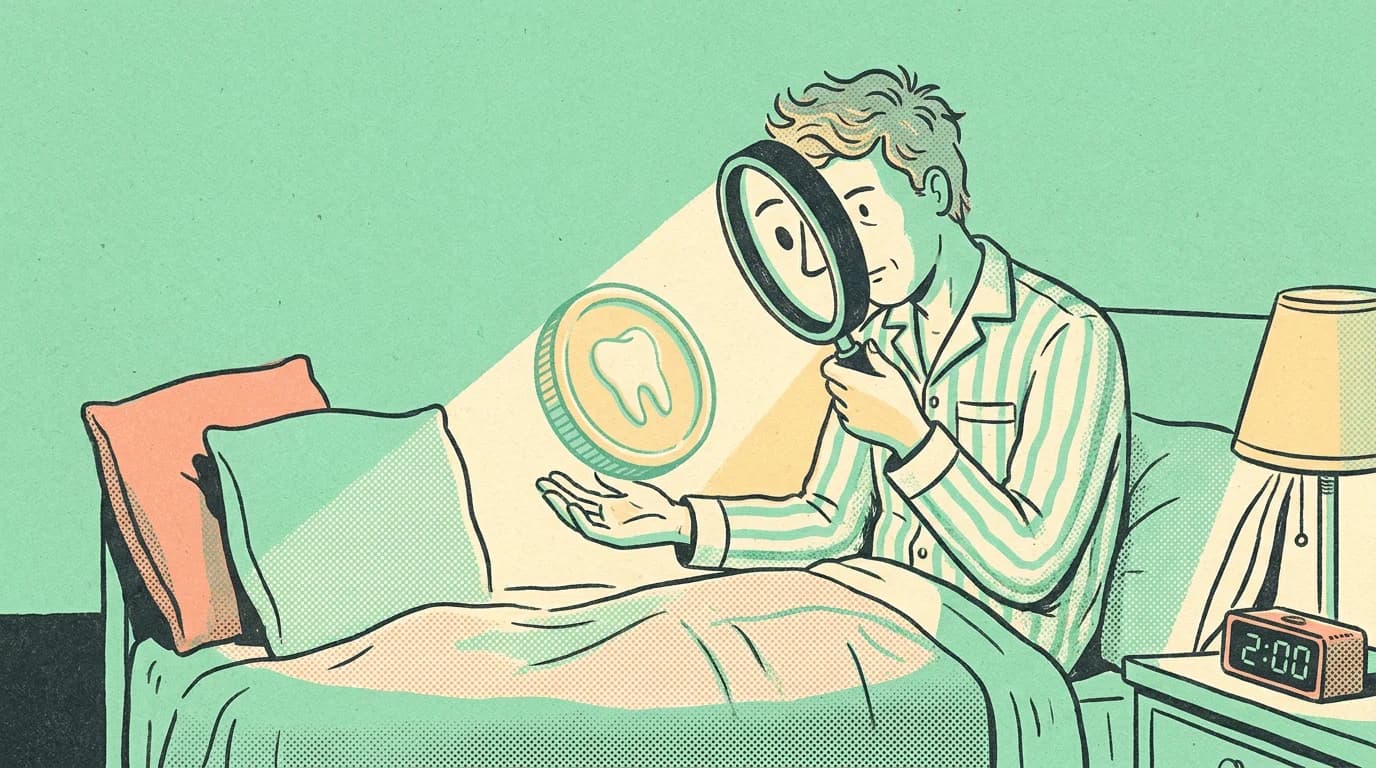
Carrying $1M+ in practice debt is overwhelming — but the anxiety is often worse than the math. Here's how new dental practice owners reframe and manage it.
 Eric Chen
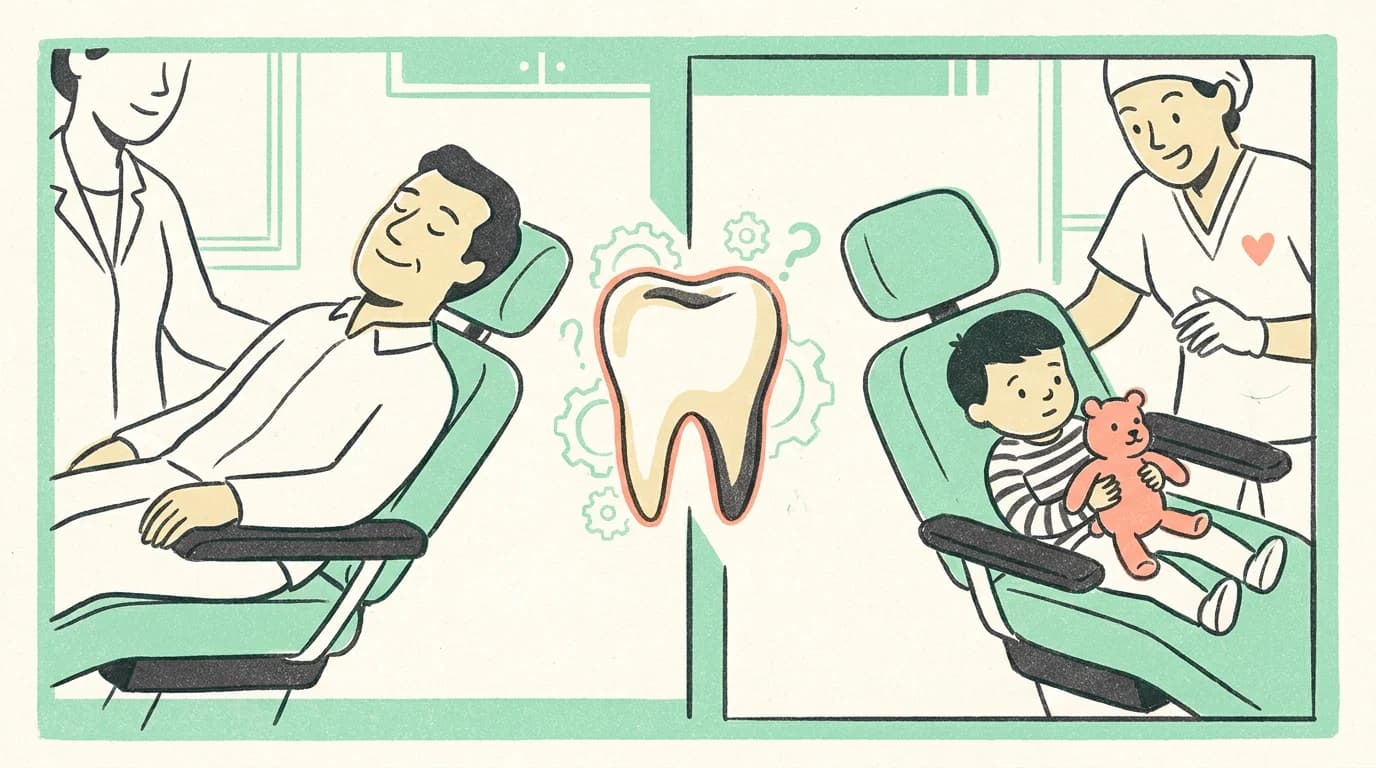
Comparing a pediatric dental practice to a general practice? Here's what buyers need to know about valuation, payer mix, clinical fit, and patient retention.
 Eric Chen
A sub-680 credit score makes dental practice financing harder — but not impossible. Here's how to assess your options, fix what you can, and still close a deal.
 Eric Chen
Most AR disputes after buying a dental practice were preventable. Learn how to audit the AR, negotiate key contract terms, and resolve conflicts post-closing.
 Eric Chen
The costs that catch first-year dental practice owners off guard — and how to build a budget that actually holds up after closing.
 Eric Chen
Banks evaluate two parallel files when you apply for a dental practice loan — yours and the practice's. Here's exactly what they look for in both.
 Eric Chen
SBA loans offer 25-year terms and lower credit bars. Conventional loans deliver fixed rates and faster approval. Here's how to choose for your deal.