 Eric Chen
Getting a Mortgage After Buying a Dental Practice
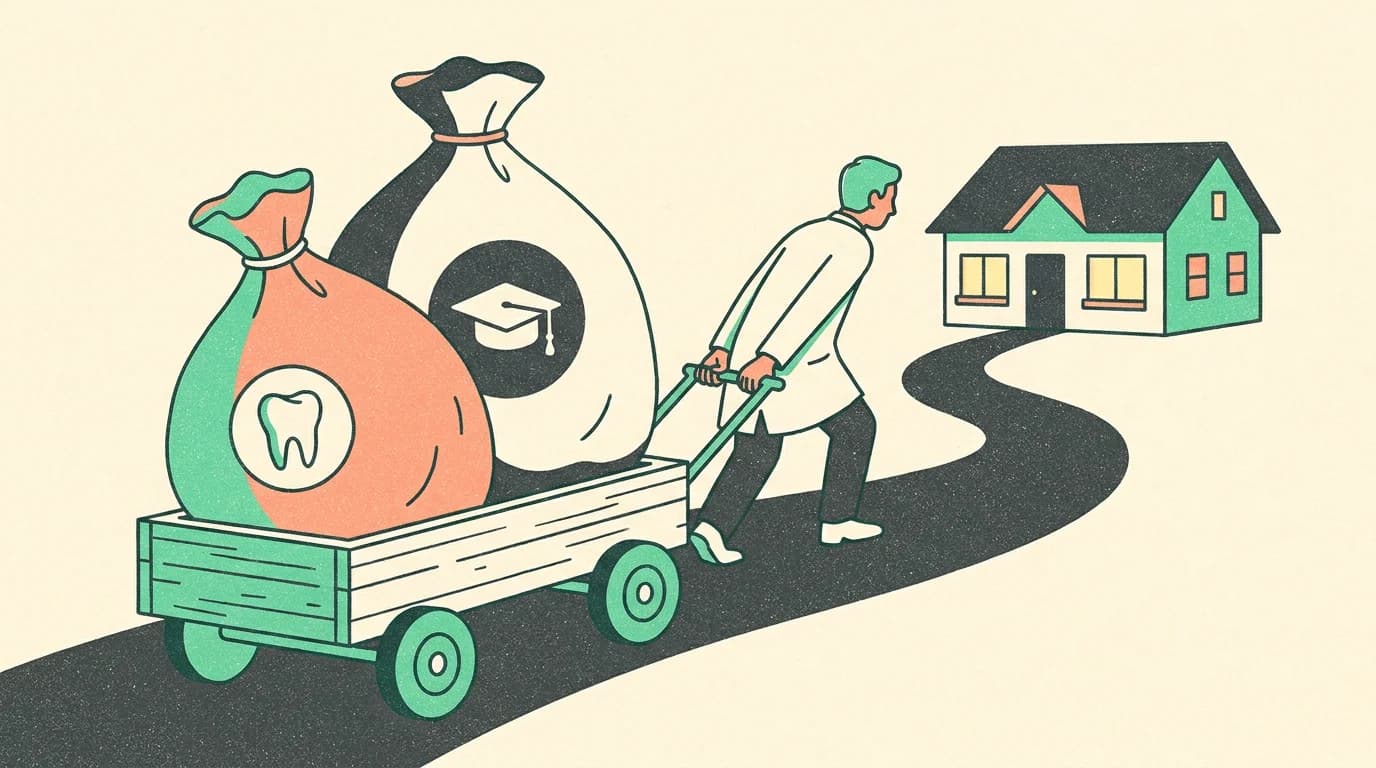
Yes, you can get a mortgage after buying a dental practice — but lenders see you differently now. Here's how to qualify and which loan type works best.
FinancingBuying Guide
Practical guides for owners of independent dental practices: billing and insurance, staffing, marketing, technology and margins, and what to know when you buy or grow.
Eric ChenYes, you can get a mortgage after buying a dental practice — but lenders see you differently now. Here's how to qualify and which loan type works best.
 Eric Chen
Most dentists face this exact dilemma. Here's how the financing, liquidity, and income math actually plays out — and which move builds more wealth.
 Eric Chen
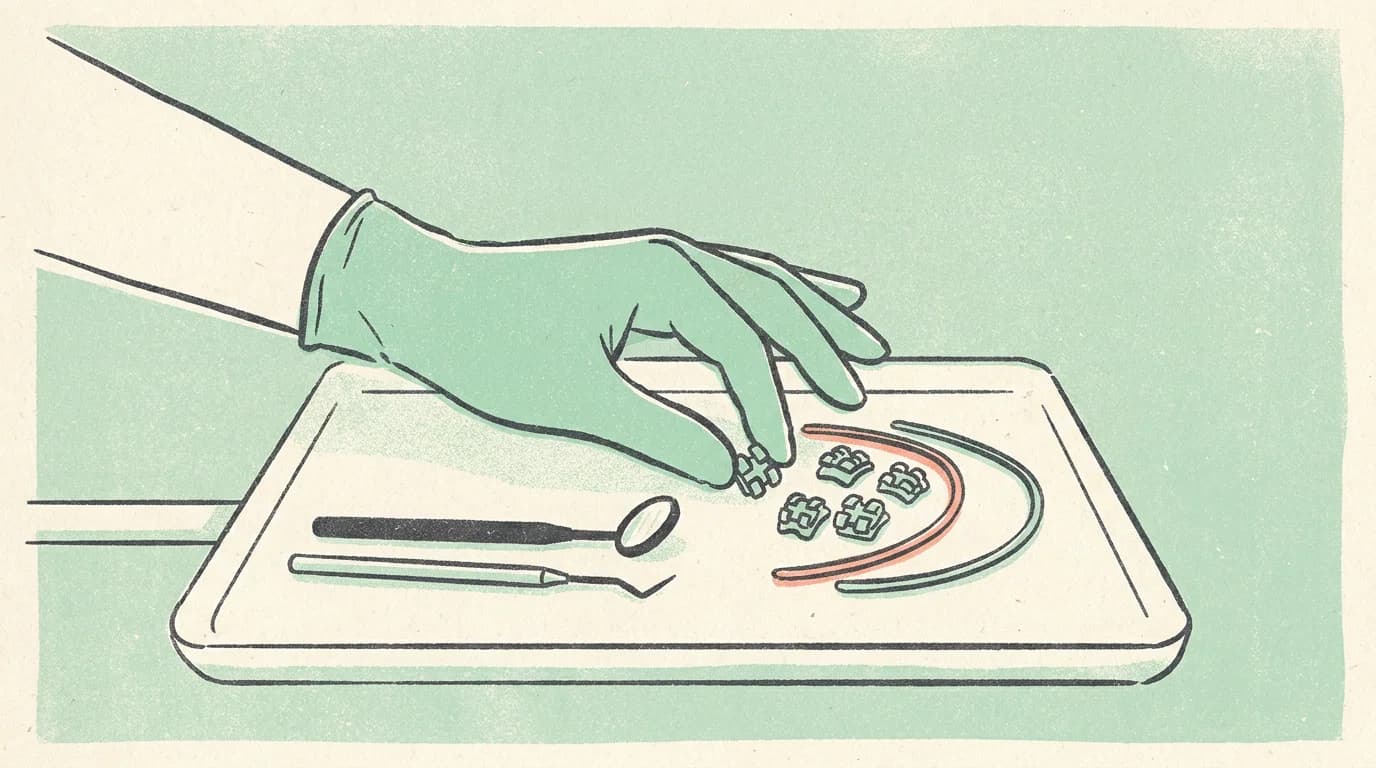
General dentists can buy orthodontic practices — but the financial structure, clinical model, and due diligence look nothing like a GP acquisition.
 Eric Chen
Before buying a dental practice, here's how to uncover the seller's malpractice history — from state board records to NPDB data and insurance claims.
 Eric Chen
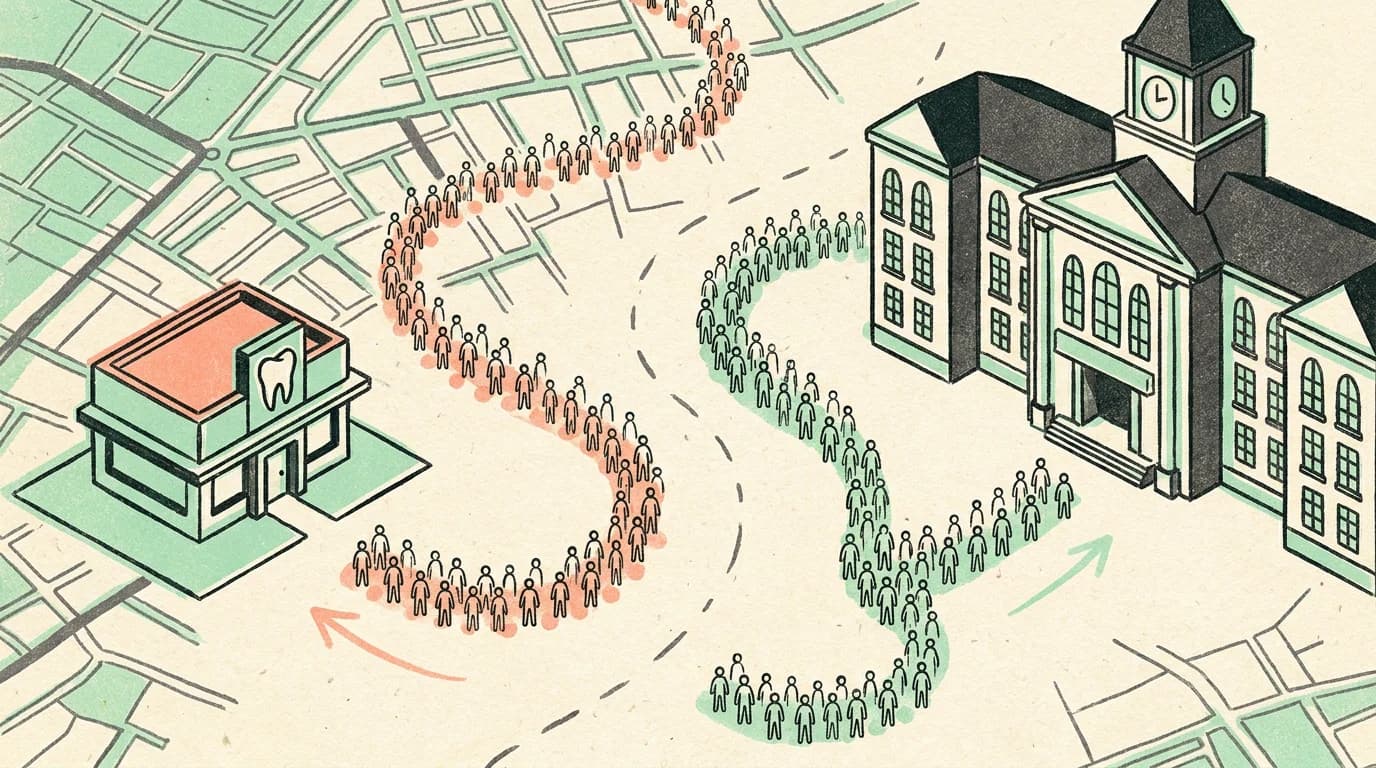
Thinking about buying a dental practice near a dental school? Here's how to evaluate the real competition risk, demographic upside, and pricing dynamics.
 Eric Chen
Yes, dental practice owners can use NHSC loan repayment — but only if your practice qualifies as an approved site. Here's what that actually requires.
 Eric Chen
When a seller stays on after closing, the employment agreement is where your investment is protected or exposed. Here's what buyers need to negotiate.
 Eric Chen
Before you close, here's how to evaluate the associate's contract, production split, and retention risk — and what to negotiate to protect your investment.
 Eric Chen
What buyers need to know about dental practice lease assignment — from reading the assignment clause to negotiating the personal guarantee before closing.
 Eric Chen
100% financing is real — but "no money saved" isn't quite the full story. Here's what lenders actually require and how to close the gap.
 Eric Chen
Weighing a buy-in at your current practice against buying independently? Here's how the two paths compare on control, cost, and long-term ownership.
 Eric Chen
The credentialing gap after buying a dental practice can cost $40K–$80K in delayed revenue. Here's how to calculate your exposure and minimize it.